

What to Know about ABS edge banding
Jul 23, 2024
Leave a message
A Flexible Solution to Furniture Finishing
Due to its many advantageous qualities, ABS edge banding, which is frequently utilized for edge banding laminate, is adored in the furniture-making sector. First off, ABS is impact resistant thanks to butadiene. secondly, its impressive thermal stability and low water absorption rate make it an ideal choice for applications where exposure to heat and moisture is expected.
ABS doesn't include lead, formaldehyde, or any stabilizers based on heavy metals, it can be used in furniture of all kinds without endangering human health. ABS is more useful than conventional laminate edge banding techniques because of its strong impact resistance and capacity to tolerate high stress levels.
UV resistance adds to the long-lasting color qualities of ABS edge banding in terms of aesthetics. This feature, together with the large selection of colors it provides, keeps your furniture looking attractive and lively over time.
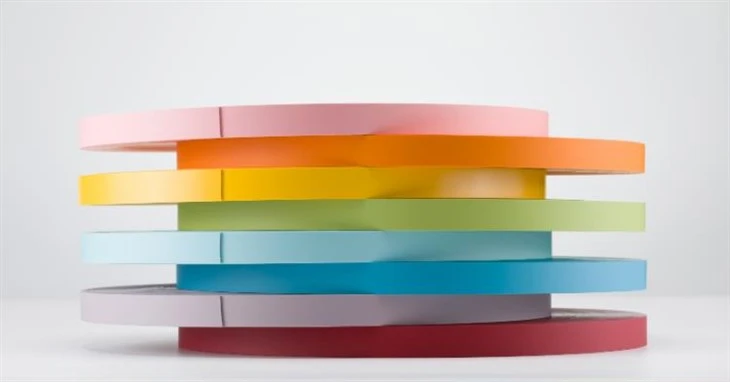
ABS edge banding is an attractive option because sustainability and environmental stewardship are essential to contemporary industrial processes. ABS is recyclable because it is a thermoplastic substance. Its life cycle is extended and waste is decreased since it may be melted and remolded into fresh edge banding rolls without suffering a major loss in quality.
Moreover, minimal energy is used in the creation of ABS edge banding. Compared to its competitors like PVC, ABS requires less energy during the extrusion process, making it a more environmentally friendly option.