

Selection of hot melt adhesive for double color edge banding
Aug 16, 2024
Leave a message
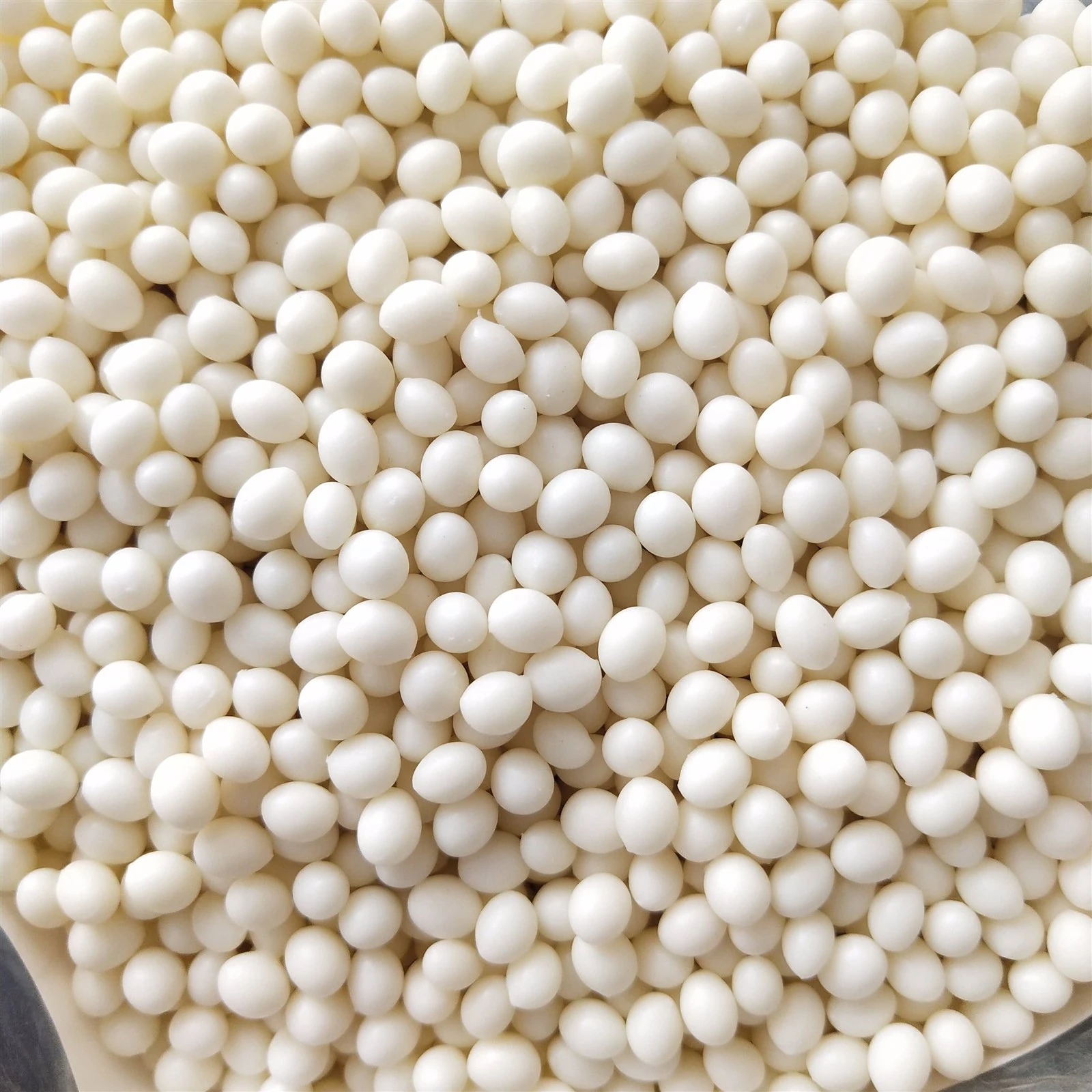
In the production process of panel furniture, the selection and use of hot melt adhesive for edge banding suitable for the specific conditions of each furniture factory can not only improve the quality and grade of panel furniture, but also improve production efficiency, reduce the difficulty of panel repair, and reduce the labor intensity of workers. The following are some experiences and insights on the selection and use of hot melt adhesive for edge banding of panel furniture, hoping to help improve the production level of panel furniture in my country.
Selection of hot melt adhesive for edge banding
Hot melt adhesive for edge banding is a type of adhesive specially used for edge banding of artificial boards. It is a solvent-free thermoplastic adhesive. When the hot melt adhesive is heated to a certain temperature, it changes from solid to molten. When it is applied to the surface of the artificial board substrate or edge banding material, it cools and becomes solid, bonding the edge banding material to the substrate. When choosing and using edge-sealing hot melt adhesive, the following aspects must be noted:
1 The base material of edge-sealing hot melt adhesive
Edge-sealing hot melt adhesive can be divided into three categories according to the base material:
(1) EVA (ethylene-vinyl acetate copolymer) base hot melt adhesive, which can be divided into two categories: with filler and without filler. Using EVA as the base material is a common edge-sealing hot melt adhesive production technology. Its main limitation is poor heat resistance. The ambient temperature of panel furniture edge-sealed with EVA hot melt adhesive cannot be higher than 120℃;
(2) POLYAMIDE (polyamide) base hot melt adhesive, which has good heat resistance and fast curing characteristics, but its main disadvantage is high price.
(3) HMPU (polyurethane) base hot melt adhesive, which is a type of hot melt adhesive with better performance and is the guarantee of high-quality panel edge sealing. It is expensive and requires special usage methods.
2 Viscosity of edge-sealing hot melt adhesive
The viscosity of edge-sealing hot melt adhesive cannot directly reflect the performance of the adhesive. Generally speaking, the higher the viscosity of the edge-sealing hot melt adhesive, the better its initial adhesive strength, but the worse the coating performance. Low-viscosity hot melt adhesive has a smaller amount of adhesive applied and better wetting performance. Some hot melt adhesives with low viscosity and fast curing speed may also have high initial adhesive strength.
3 Density of edge-sealing hot melt adhesive
The density of edge-sealing hot melt adhesive is generally 0.95-1.6g/㎝³, and its density depends on the amount of filler (the more filler, the greater the density). Since a certain glue coating area is required when the board is edge-sealed, the amount of glue applied per unit length of the low-density filler-free hot melt adhesive is less than that of the filled hot melt adhesive. Moreover, since the bonding performance of the filler-free hot melt adhesive is better, it is possible to use less filler-free hot melt adhesive than the filled hot melt adhesive to achieve the same edge-sealing effect. In order to reduce the amount of glue applied, the edge banding machine must have a good glue coating system.